Site-Based Review
Understanding the project at the micro level, including land use, nutrient sources, drainage pathways, constraints and practical operational context.
RESNI helps farms, estates, rural businesses and project teams respond to nutrient loading, planning constraints and environmental scrutiny with clearer technical positioning, stronger evidence and more practical mitigation strategy.
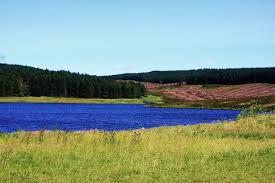
Environmental pressure is rarely just a constraint. With the right evidence, it can become the basis for better project design and a stronger planning case.
Planning and nutrient strategy is not just about describing a problem. It is about defining the technical context properly, identifying the relevant pressures, testing options and helping a project team present a more credible way forward.
This may involve site-specific review, wider catchment thinking, nutrient loading assessment, land-use context, mitigation opportunities and the preparation of evidence that supports planners, consultants, clients and legal teams.
Understanding the project at the micro level, including land use, nutrient sources, drainage pathways, constraints and practical operational context.
Positioning the project within the broader environmental and planning context, including catchment issues, receptors and cumulative pressure.
Identifying practical measures that reduce pressure, improve stewardship and help support a more defensible planning submission.
Clearer technical notes, modelling inputs, supporting rationale and evidence for planning teams, consultants and decision-makers.

A recurring weakness in many projects is that the site is described in isolation. In practice, planning decisions often depend on a wider understanding of how the project fits into its environmental setting, nutrient context and strategic pressures.
RESNI’s role is to bridge that gap. We help connect site-specific facts with the broader planning and environmental narrative so that a project is framed more robustly and more realistically.
Clarify the actual environmental or planning concern rather than relying on assumptions, broad labels or incomplete summaries.
Review relevant evidence, identify system interactions, and test mitigation or repositioning options that may strengthen the project.
Present the issue in a clearer form, supported by practical reasoning, technical evidence and more defensible strategy.
Support where nutrient loading, manure handling, runoff risk or protected site concerns are affecting how an agricultural project is viewed.
Support where a stronger technical explanation, better mitigation framing or clearer environmental narrative is needed for planners or project partners.
Planning and nutrient strategy often overlaps with life cycle thinking, technical modelling, renewable systems, agricultural innovation and resource recovery. That wider technical background allows RESNI to assess issues in context rather than as isolated compliance questions.
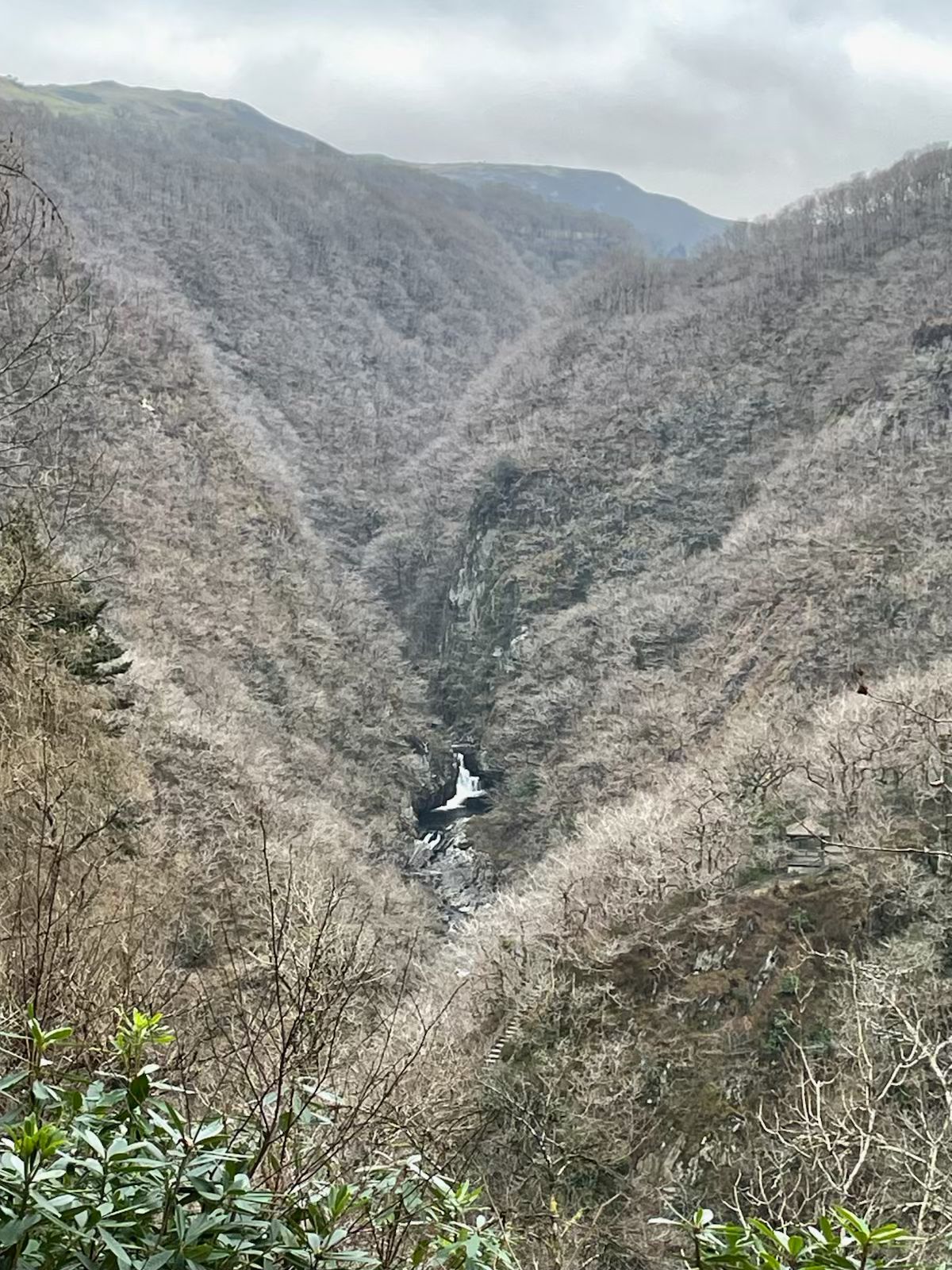
Good planning support depends on linking technical evidence to the actual landscape, pressures and opportunities around a project.
If your project needs clearer technical framing, more practical mitigation thinking or stronger environmental support for planning, RESNI can help assess the issue and define the next step.
Email: [email protected]
Website: www.resniltd.com
Address: 21 Chester Avenue, Whitehead, Carrickfergus, BT38 9QQ