Controlled Production
Systems such as vertical farming and other enclosed growing environments can reduce land take, cut water demand and improve control over nutrient delivery.
Environmental innovation is not about producing less. It is about producing more intelligently. For the United Kingdom to improve food resilience and reduce dependence on imports, agricultural intensification has to be deployed in a way that is technically efficient, environmentally defensible and linked to better system design.
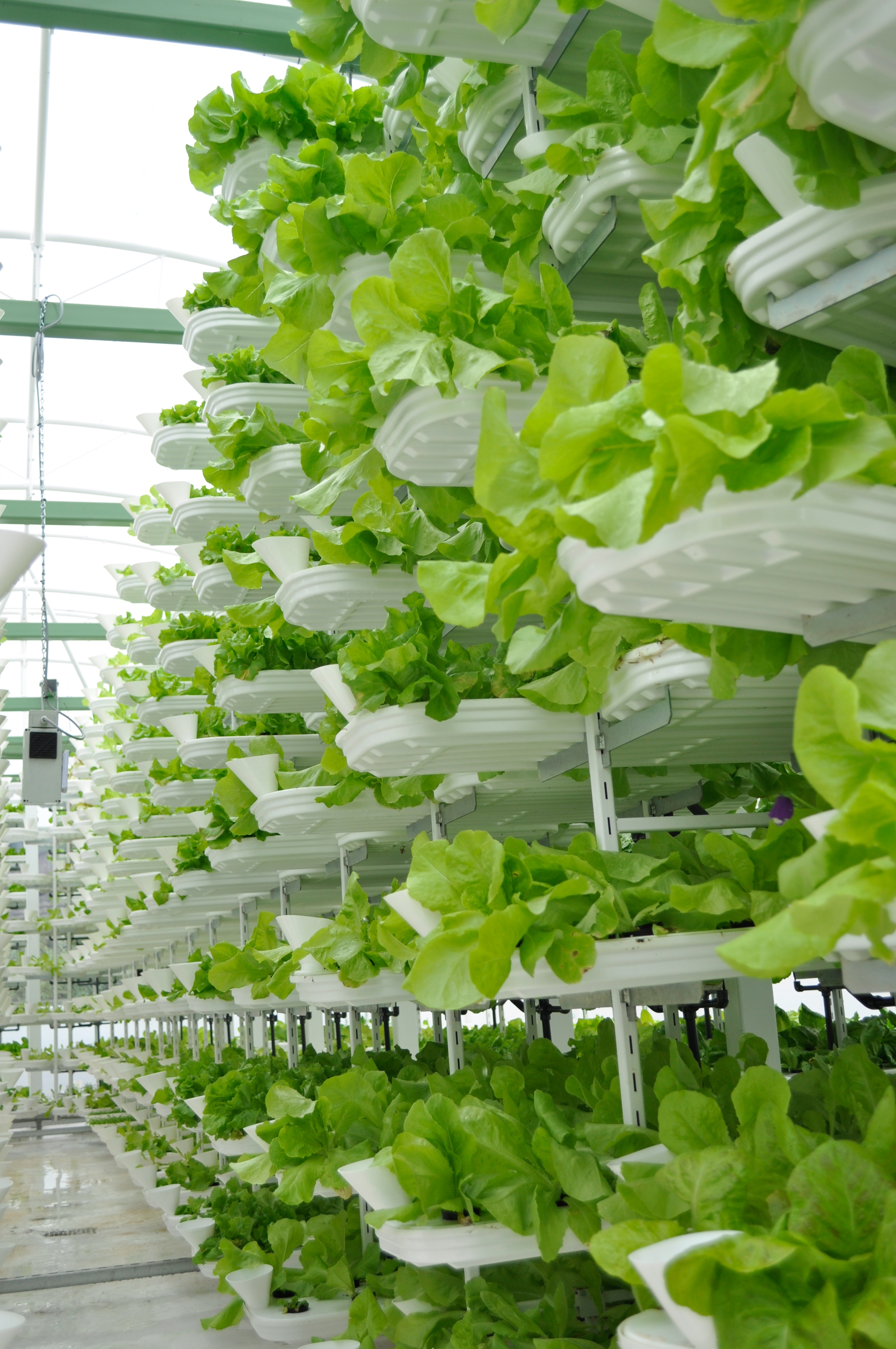
Environmental innovation matters when it helps agriculture produce more with less land, less waste and a clearer route to domestic supply resilience.
Published analysis of historical agricultural intensification found that yield gains since 1961 avoided the conversion of roughly 1,761 million hectares of additional land and up to 590 gigatonnes of CO₂-equivalent emissions compared with a lower-yield pathway. That makes intensification a climate and land-use issue as well as a food-production issue.
The implication is straightforward: if the UK wants to protect land, reduce unnecessary land conversion and still feed itself more effectively, then productivity improvements and better-controlled agricultural systems are essential. The question is not whether intensification is needed, but whether it is delivered badly or delivered well.
Systems such as vertical farming and other enclosed growing environments can reduce land take, cut water demand and improve control over nutrient delivery.
Better use of water, nutrients, energy and carbon dioxide can turn intensive systems into lower-impact systems rather than simply higher-input systems.
Innovation can support more local and year-round production, reducing dependence on imported out-of-season produce and lowering food miles.
Clean energy, controlled environments, nutrient loops and better system design are strongest when developed as part of an integrated strategy.
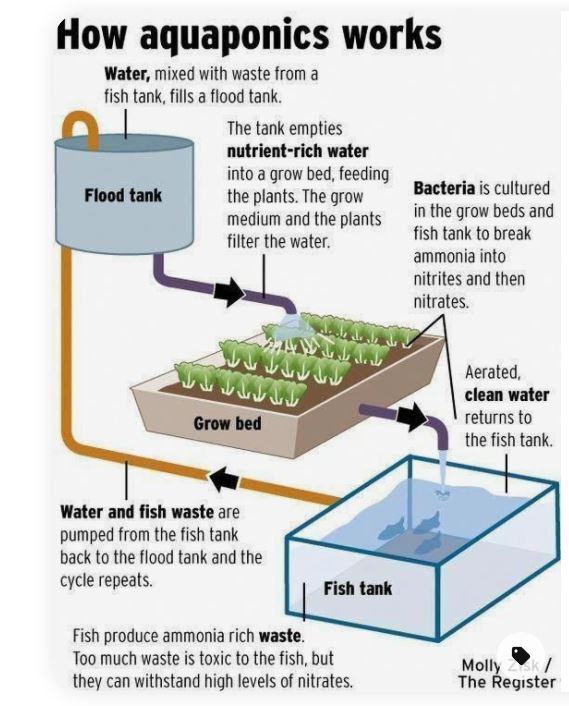
Aquaponics and other linked systems show how environmental innovation can connect productivity with nutrient circulation and water efficiency.
The environmental case for innovation is not based on denying the pollution risks of conventional industrial agriculture. The vertical-farming editorial is explicit that classical intensive agriculture has caused major environmental damage, including soil erosion, habitat destruction, biodiversity loss, water pollution and greenhouse gas emissions.
Its argument is stronger than a simple defence of intensification: it shows that the next step must be a more ecological form of intensification, where controlled systems, hydroponics, aquaponics, cleaner energy and tighter nutrient management reduce those impacts rather than reproduce them.
In 2021, 58% of food consumed in the United Kingdom was of domestic origin, while the value of food imports was £45,852 million compared with exports of £20,240 million. That gap underlines why more domestic production capacity matters.
Controlled-environment systems can help replace some imported out-of-season produce, bringing production closer to consumption and reducing transport-related emissions, waste and supply-chain exposure.
This does not mean every crop belongs in a vertical farm. It means the UK needs innovative planning and targeted application of the right technologies where they solve real problems around land, water, imports, seasonality and environmental impact.
The attached editorial reports that vertical farming can reduce water use by around 98% compared with open-field agriculture because transpired water can be captured and reused within the system.
The same paper reports that a ten-tier vertical farm can achieve productivity around 100 to 200 times that of conventional open-field agriculture, with theoretical estimates even higher.
Controlled-environment agriculture can also work alongside renewable power, curtailed energy and industrial carbon dioxide streams, helping align food production with wider energy-system innovation.
Environmental innovation does not deliver value by default. Capital intensity, energy demand, location, crop choice and system integration all matter. The literature on vertical farming makes clear that these systems are more resource-efficient, but they are also more capital-intensive and technically demanding than open-field agriculture or greenhouse cultivation.
That is why innovative agriculture needs strong technical planning: the right technologies in the right places, with the right energy logic, the right nutrient logic and the right commercial framing. Delivery matters as much as invention.

Environmental innovation becomes credible when controlled agriculture, clean energy and practical system design are planned together.
If the UK wants to feed itself more effectively, reduce import dependence and lower food miles, then some forms of agricultural intensification will have to expand. The aim should be intensification that is better controlled, lower-impact and more efficient in its use of land, water, nutrients and energy.
That means innovation projects need to be technically framed around practical environmental delivery: not just productivity claims, but evidence on resource use, emissions, nutrient control, land implications and wider system value.
If your project needs clearer technical framing around agricultural innovation, controlled production, land efficiency, nutrient strategy or lower-impact intensification, RESNI can help turn the concept into a more credible environmental and delivery case.
Email: [email protected]
Website: www.resniltd.com
Address: 21 Chester Avenue, Whitehead, Carrickfergus, BT38 9QQ